Buy validcc.eu ?
We are moving the project
validcc.eu .
Are you interested in purchasing the domain
validcc.eu ?
domain@kv-gmbh.de · 0541-91531010
Buy validcc.eu ?
Where can one still find authentic remnants of Germanic culture before Christianization in our society?
One can still find authentic remnants of Germanic culture before Christianization in our society in various forms. One place to look is in the language, as many English words have Germanic roots. Additionally, traditional Germanic folklore and mythology, such as the stories of Odin and Thor, are still celebrated and studied in modern society. Furthermore, some traditional Germanic customs and rituals, such as the celebration of Yule, have been preserved and continue to be practiced in certain communities. **
Were the Germanic people Vikings, or were the Vikings Germanic?
The Germanic people were a group of tribes that lived in Northern Europe, including modern-day Germany, Scandinavia, and the Netherlands. The Vikings were a specific group of people within the broader Germanic culture, known for their seafaring and raiding activities. So, the Vikings were a subset of the Germanic people, and not all Germanic people were Vikings. **

Similar search terms for Germanic culture
Top-Angebote
Products related to Germanic culture:
-
Alderac Entertainment Group - Smash Up: World Tour Culture Shock Expansion - Card Game for 2-4 PlayersTake Smash Up on a worldwide adventure with the Culture Shock expansion. This add-on introduces five new factions inspired by folk traditions and fairy tales from Russia, West Africa, Germany, the Inca Empire, and Polynesia. Combine these factions with compatible Smash Up sets to create unpredictable teams, unusual combinations, and new strategic possibilities. Each faction brings its own theme and gameplay style, allowing players to experiment with different pairings during every game. Culture Shock is designed for combination with compatible Smash Up sets and is suitable for expanding and varying existing games. It requires a compatible Smash Up base game or set to play. Alderac Entertainment Group's Culture Shock expansion is perfect for tabletop game enthusiasts who enjoy tactical card play, inventive faction combinations, and changing game scenarios.19,09 £*Shipping: 3,95 £Secure redirect to the provider
-
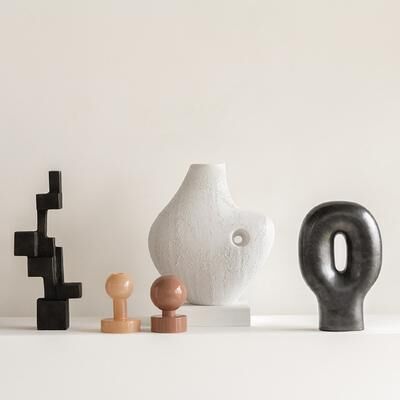
Urban Nature Culture Vase Talvi - WhiteFloating the sea waves, a sense of calm takes over, feeling at home in the world. That same feeling we get at home, like a safe haven to relax our senses and feast our eyes on our most cherished things.267,80 $*Shipping: 0,00 $Secure redirect to the provider



-
Are there culture-independent, universally valid moral rules?
While there may be some moral principles that are widely accepted across different cultures, it is difficult to argue that there are universally valid moral rules that are completely independent of culture. Moral values and norms are often shaped by cultural, religious, and societal factors, leading to variations in what is considered right or wrong. Additionally, moral judgments can be influenced by individual beliefs, experiences, and perspectives, further complicating the idea of universal moral rules. Ultimately, the concept of culture-independent, universally valid moral rules is complex and subject to ongoing debate. **
-
Are the Celts Germanic?
No, the Celts are not Germanic. The Celts were a distinct group of people who originated in Central Europe and spread across much of Western Europe, including areas that are now part of modern-day France, Spain, and the British Isles. The Germanic peoples, on the other hand, originated in northern Europe and eventually spread into areas that are now part of modern-day Germany, Scandinavia, and the Netherlands. While the Celts and Germanic peoples may have had some interactions and influences on each other, they are considered to be separate and distinct cultural and linguistic groups. **
-
Were the Greeks Germanic?
No, the Greeks were not Germanic. The Greeks were an ancient civilization that originated in the Mediterranean region, while the Germanic peoples were a group of tribes that originated in northern Europe. The Greeks had their own distinct language, culture, and history, which were different from those of the Germanic peoples. Therefore, it is not accurate to classify the Greeks as Germanic. **
-
What is Germanic Neopaganism?
Germanic Neopaganism is a modern revival of the pre-Christian religious practices and beliefs of the Germanic peoples. It encompasses a variety of traditions and practices inspired by the ancient Germanic cultures, including Norse, Anglo-Saxon, and Continental Germanic traditions. Followers of Germanic Neopaganism often worship a pantheon of gods and goddesses, honor their ancestors, and celebrate seasonal festivals. It is a decentralized and diverse movement, with different groups and individuals interpreting and practicing the faith in their own unique ways. **

What are event culture and time culture?
Event culture refers to the way in which events, such as festivals, concerts, and sporting events, shape and influence a society's values, beliefs, and behaviors. Time culture, on the other hand, refers to the way in which a society perceives and organizes time, including concepts of punctuality, scheduling, and the pace of life. Both event culture and time culture play a significant role in shaping social interactions, traditions, and overall societal norms. **
Were the Germanic people indigenous?
The Germanic people were not indigenous to the areas they eventually settled in. They were originally believed to have originated in Scandinavia and northern Germany before migrating to other parts of Europe. As they moved and settled in new territories, they interacted with and assimilated with the indigenous populations already living there. Over time, they established their own distinct cultures and societies in these regions. **
Top-Angebote
Products related to Germanic culture:
-
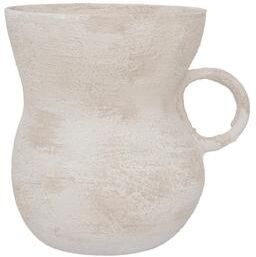
Urban Nature Culture Vase RelaxedQuiet elegancy comes to life in Urban Nature Culture's vase Relaxed. Handmade in Portugal, this ceramic vase has a shape beyond anything you've seen - it's organic, it flows and steals your heart with its playful ear.123,40 $*Shipping: 0,00 $Secure redirect to the provider
-
Where can one still find authentic remnants of Germanic culture before Christianization in our society?
One can still find authentic remnants of Germanic culture before Christianization in our society in various forms. One place to look is in the language, as many English words have Germanic roots. Additionally, traditional Germanic folklore and mythology, such as the stories of Odin and Thor, are still celebrated and studied in modern society. Furthermore, some traditional Germanic customs and rituals, such as the celebration of Yule, have been preserved and continue to be practiced in certain communities. **
-
Were the Germanic people Vikings, or were the Vikings Germanic?
The Germanic people were a group of tribes that lived in Northern Europe, including modern-day Germany, Scandinavia, and the Netherlands. The Vikings were a specific group of people within the broader Germanic culture, known for their seafaring and raiding activities. So, the Vikings were a subset of the Germanic people, and not all Germanic people were Vikings. **
-
Are there culture-independent, universally valid moral rules?
While there may be some moral principles that are widely accepted across different cultures, it is difficult to argue that there are universally valid moral rules that are completely independent of culture. Moral values and norms are often shaped by cultural, religious, and societal factors, leading to variations in what is considered right or wrong. Additionally, moral judgments can be influenced by individual beliefs, experiences, and perspectives, further complicating the idea of universal moral rules. Ultimately, the concept of culture-independent, universally valid moral rules is complex and subject to ongoing debate. **
-
Are the Celts Germanic?
No, the Celts are not Germanic. The Celts were a distinct group of people who originated in Central Europe and spread across much of Western Europe, including areas that are now part of modern-day France, Spain, and the British Isles. The Germanic peoples, on the other hand, originated in northern Europe and eventually spread into areas that are now part of modern-day Germany, Scandinavia, and the Netherlands. While the Celts and Germanic peoples may have had some interactions and influences on each other, they are considered to be separate and distinct cultural and linguistic groups. **
Similar search terms for Germanic culture
-
Alderac Entertainment Group - Smash Up: World Tour Culture Shock Expansion - Card Game for 2-4 PlayersTake Smash Up on a worldwide adventure with the Culture Shock expansion. This add-on introduces five new factions inspired by folk traditions and fairy tales from Russia, West Africa, Germany, the Inca Empire, and Polynesia. Combine these factions with compatible Smash Up sets to create unpredictable teams, unusual combinations, and new strategic possibilities. Each faction brings its own theme and gameplay style, allowing players to experiment with different pairings during every game. Culture Shock is designed for combination with compatible Smash Up sets and is suitable for expanding and varying existing games. It requires a compatible Smash Up base game or set to play. Alderac Entertainment Group's Culture Shock expansion is perfect for tabletop game enthusiasts who enjoy tactical card play, inventive faction combinations, and changing game scenarios.19,09 £*Shipping: 3,95 £Secure redirect to the provider
-
Urban Nature Culture Vase Talvi - WhiteFloating the sea waves, a sense of calm takes over, feeling at home in the world. That same feeling we get at home, like a safe haven to relax our senses and feast our eyes on our most cherished things.267,80 $*Shipping: 0,00 $Secure redirect to the provider
-
Urban Nature Culture Vase Ace - AceSetting forth a tradition that is centuries old, pottery has ever been one of Portugal's trades. Urban Nature Culture loves to work with Portuguese artisans - who use their skills to combine modern looks and contemporary design with techniques of old.145,60 $*Shipping: 0,00 $Secure redirect to the provider
-
Were the Greeks Germanic?
No, the Greeks were not Germanic. The Greeks were an ancient civilization that originated in the Mediterranean region, while the Germanic peoples were a group of tribes that originated in northern Europe. The Greeks had their own distinct language, culture, and history, which were different from those of the Germanic peoples. Therefore, it is not accurate to classify the Greeks as Germanic. **
-
What is Germanic Neopaganism?
Germanic Neopaganism is a modern revival of the pre-Christian religious practices and beliefs of the Germanic peoples. It encompasses a variety of traditions and practices inspired by the ancient Germanic cultures, including Norse, Anglo-Saxon, and Continental Germanic traditions. Followers of Germanic Neopaganism often worship a pantheon of gods and goddesses, honor their ancestors, and celebrate seasonal festivals. It is a decentralized and diverse movement, with different groups and individuals interpreting and practicing the faith in their own unique ways. **
-
What are event culture and time culture?
Event culture refers to the way in which events, such as festivals, concerts, and sporting events, shape and influence a society's values, beliefs, and behaviors. Time culture, on the other hand, refers to the way in which a society perceives and organizes time, including concepts of punctuality, scheduling, and the pace of life. Both event culture and time culture play a significant role in shaping social interactions, traditions, and overall societal norms. **
-
Were the Germanic people indigenous?
The Germanic people were not indigenous to the areas they eventually settled in. They were originally believed to have originated in Scandinavia and northern Germany before migrating to other parts of Europe. As they moved and settled in new territories, they interacted with and assimilated with the indigenous populations already living there. Over time, they established their own distinct cultures and societies in these regions. **
* All prices are inclusive of VAT and, if applicable, plus shipping costs. The offer information is based on the details provided by the respective shop and is updated through automated processes. Real-time updates do not occur, so deviations can occur in individual cases. ** Note: Parts of this content were created by AI.